
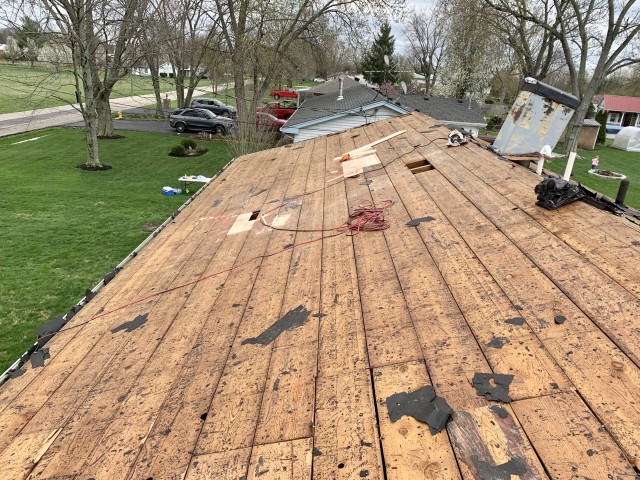
Warning Signs Your Roof Needs Immediate Repair
Roof Needs Immediate Repair. Let me start with something a bit embarrassing. A couple of years ago, during one of those unpredictable late-summer storms, I noticed a faint drip near the living-room window. Just one drop—so tiny that most people would shrug it off. And honestly, I did too. Big mistake. Within a week, that “one drop” became a steady tap-tap-tap that felt like the house was politely scolding me for being careless.
Does that sound familiar? Because if there’s one thing I’ve learned after speaking with dozens of homeowners—and dealing with my own “I’ll fix it later” moments—a roof rarely fails without giving warnings first. You just need to know how to listen.
Think of your roof like the skin of your home. It shields, breathes, protects, and ages. And just like skin, when it starts showing cracks or spots, it’s telling you something important.
Below is a full, human-told breakdown of the real warning signs your roof needs immediate repair—crafted with personal experiences, local context, and niche roofing details most generic guides never mention.
The Subtle Clues Homeowners Often Ignore
I want to jump right into the things that slip through the cracks (pun intended). These aren’t the dramatic signs like a missing shingle halfway dangling off the gutter. These are the quiet signals that something’s brewing underneath.
1. Dark Spots on Ceilings or Walls
Most homeowners think water stains mean the roof “just started leaking.” Nope. Water usually travels horizontally across beams and plywood before showing up indoors. By the time you see a stain, the leak has already been active—sometimes for weeks.
In New Jersey, especially during humid months, moisture sits longer, making stains spread faster than they might in a drier climate. That’s something roofers mention often but rarely put in writing. So if you’re seeing these blotches, don’t wait.
2. Shingles That Look “Curled Like Old Potato Chips”
Roofers call this cupping and clawing. It’s caused by prolonged heat exposure, ventilation issues, or aging asphalt that has lost its granules. During a home consultation last year, a contractor showed me how a shingle that curls inward often means moisture is trapped underneath. And a shingle curling upward? Heat damage.
Both are red flags—just different types.
3. Asphalt Granules Collecting in Gutters
If you’ve ever scooped out your gutters and found something that looks like black sand, that’s your shingles shedding their protective layer. I once had a roofer compare it to “your roof losing its sunscreen.” Without granules, shingles deteriorate shockingly fast.
According to roofing material research (you’ll find more in sources like the Roofing section on Wikipedia), granule loss is a documented sign of advanced wear. But seeing it firsthand is what convinced me—gutters shouldn’t look like a sandbox.
Major Warning Signs You Should Never Ignore
Let’s switch gears for a moment. These are the big, bold, undeniable signals where waiting another week isn’t wise. Honestly, these are the ones contractors wish homeowners took seriously sooner.
4. Sagging Rooflines
If your roofline should be straight but it suddenly looks like it’s doing a sad little dip, that’s structural trouble. And structural trouble = urgent.
Sometimes sagging is caused by rotted decking from long-term leaks. Sometimes it’s due to excessive snow load (we had that heavy snowstorm in NJ two winters back—remember the one that bent a dozen carports?). Either way, sagging roofs do not magically fix themselves.
5. Sunlight Peeking Into the Attic
This one shocked me the first time I saw it in someone else’s house. If sunlight is coming through the attic boards, water definitely can—and probably already has.
Even pencil-thin cracks matter. And if you can feel airflow through them? That’s an even bigger problem.
6. Mold or Musty Odor Indoors
Roof leaks often reveal themselves through smell before sight. That damp, earthy scent usually means moisture has been sitting somewhere too long—often in insulation.
And insulation that stays wet? It loses its R-value, meaning your heating bills basically start donating money to the air.
Case Study: A Homeowner Who Waited Too Long
Let me share something from a recent inspection in Old Bridge, NJ. A homeowner ignored mild staining near a bedroom vent. Turns out, a small flashing failure had allowed rainwater to seep in over months.
- Roof repair cost IF caught early: around $450–$700
- Actual cost due to delay: full section replacement + interior repair = $4,800+
When I asked why they waited, their response was painfully relatable: “I thought it was just humidity.”
And this is why I always tell people: roof problems rarely stay small.
The Less Obvious Signs (The Ones Even Contractors Debate)
7. Excessive Energy Bills
Is your HVAC suddenly working overtime? Roof ventilation issues often cause heat to get trapped in the attic. In summer, attics can hit 140°F. If you’ve ever opened an attic door in July, you know exactly what I mean—it feels like opening an oven.
Ventilation problems eventually damage shingles from beneath, cooking them from the inside out.
8. Moss Growth Between Shingles
Moss may look charming on a cottage roof in a European village, but here? It’s moisture retention at its worst.
I’ve scraped up moss patches before and found softened, darkened shingles beneath—almost mushy. Moss roots lift shingle layers, creating paths for water to sneak in.
9. Rusted or Loose Flashing
Flashing is one of those things you don’t think about until it fails. Around chimneys, skylights, and vents, flashing prevents water from finding entry points. And it doesn’t take much for rust to break the seal.
If you’ve ever seen water creeping down the side of a chimney indoors, that’s almost always flashing—not the chimney itself.
Why Timing Matters: Roof Problems Get More Expensive Fast
Here’s a quick mental image: a roof leak is like a cavity. Catch it early, and you’re fine. Ignore it? It hits the nerve, spreads, and suddenly you’re looking at root canals.
Roof repairs follow the same escalation:
- Early stage: Minor shingle replacement, sealant patching, flashing repair.
- Mid stage: Decking damage, moisture in insulation, mold growth.
- Advanced stage: Structural issues, full roof replacement, interior reconstruction.
Most homeowners call a roofer between stages two and three. So if you’re reading this before something goes wrong—good. You’re already ahead.
Local Weather Matters More Than You Think
New Jersey’s freeze–thaw cycles are notorious. One day it’s 50°F, the next it’s flirting with freezing. Water trapped under shingles expands and contracts, making small cracks turn into dramatic openings.
Also, coastal towns like Atlantic City deal with salt-laden winds, which wear down roofing materials faster than inland areas.
And then there are the sudden thunderstorms we’ve gotten used to—storms that drop inches of rain in under an hour. Roofs today face more stress than they did 20 years ago.
Quick Self-Inspection Checklist
Here’s something practical. If you want to do a basic check of your roof without climbing onto it (which, honestly, is the safer approach), try this:
- Walk the perimeter and look for shingle debris on the ground.
- Check gutters for excessive granules.
- Stand back and scan for sagging or uneven rooflines.
- Inspect ceilings for even tiny discolorations.
- Sniff for musty odors in corners of rooms or closets.
- Peek into the attic during daytime—look for streaks of sunlight.
None of these replace a professional inspection, but they can help you catch early warning signs before damage worsens.
So, Should You Call a Roofer Right Now?
Well, let’s be honest: most people wait until something drastic happens. But roofs don’t owe us perfect timing. If you’ve seen even one of the signs above, it’s better to get a quick assessment than gamble with interior damage.
Here’s my rule of thumb: if you’re unsure, assume the roof is trying to tell you something.
Final Thoughts (A Slightly Imperfect Wrap-Up)
Look, I’m not going to pretend I’ve always been the model homeowner. I’ve ignored drips, shrugged off stains, and assumed a weird attic smell was “just old insulation.” But every single time, the roof proved me wrong.
And hopefully, by sharing my experiences—and the stories of others—you’ll avoid the pricey, stressful lessons I had to learn the hard way.
Your roof protects everything you love inside your home. When it whispers, don’t wait for it to scream.