
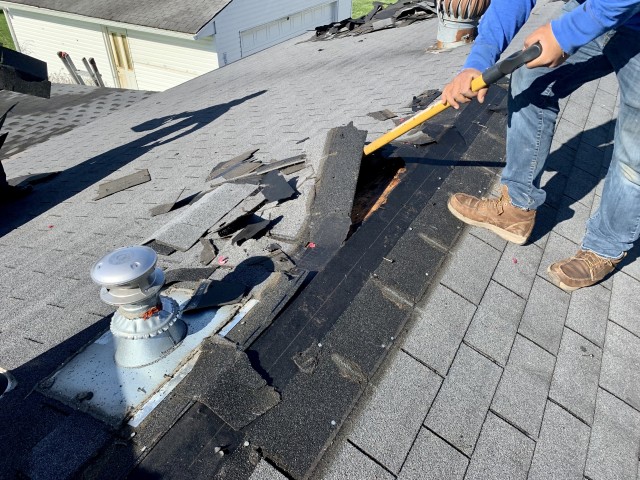
Emergency Roof Repair After Storm Damage: Step-by-Step Checklist
Storms don’t knock politely, and Emergency Roof Repair After Storm Damage —they hit hard, fast, and usually at the worst possible time. One minute everything’s fine, and the next, you’re hearing dripping water or spotting shingles in your yard.
I’ve spoken to homeowners who thought, “It’s probably fine,” only to discover serious structural issues days later. The truth is, what you do immediately after a storm can determine whether you spend hundreds or thousands on repairs.
This guide walks you through a real-world, practical checklist—not just what sounds good, but what actually works when your roof takes a hit.
If things look serious, don’t hesitate to explore emergency roof repair services for immediate professional help.
Featured Snippet: What Should You Do After Storm Damage to the Roof?
After storm damage, inspect your roof safely from the ground, check for leaks inside, cover exposed areas with a tarp, document damage for insurance, and schedule a professional inspection. Quick action prevents further damage and reduces repair costs significantly.
Step 1: Prioritize Safety First
This might sound obvious—but it’s often ignored.
After a storm, your roof could be unstable. Climbing up immediately? Bad idea.
Do This Instead:
- Stay on the ground for initial inspection
- Avoid downed power lines
- Watch for loose debris
Trust me, no repair is worth risking your safety.
Step 2: Inspect Property from the Ground
You don’t need to climb up to spot major issues.
Walk around your home and look carefully.
Common Signs of Storm Damage:
- Missing or scattered shingles
- Dented gutters or vents
- Tree branches on the roof
- Visible sagging areas
If you spot any of these, it’s time to act quickly. You can also connect with roof repair experts near you for immediate assessment.
Step 3: Check Inside Your Home
Sometimes, the biggest damage isn’t visible outside.
Head indoors and inspect ceilings, walls, and the attic.
Look for:
- Water stains or dripping
- Damp insulation
- Musty or moldy smells
According to Wikipedia, storms can cause hidden structural damage even when the exterior looks intact.
For a thorough check, consider roof inspection services to uncover hidden problems.
Step 4: Prevent Further Damage Immediately
This step is critical—and often rushed.
If your roof is exposed, you need to protect it quickly.
Temporary Protection Methods:
- Cover damaged areas with a waterproof tarp
- Secure loose shingles if possible
- Clear debris carefully
Think of this as damage control—not a permanent fix, but a necessary one.
Step 5: Document Everything for Insurance
This step can save you thousands.
Before making repairs, take clear photos and videos of:
- Roof damage
- Interior leaks
- Debris impact areas
Many insurance claims get delayed or reduced due to a lack of documentation. Don’t skip this.
Step 6: Understand the Type of Damage
Not all storm damage is the same.
Different issues require different solutions.
Types of Roof Damage After Storms:
| Damage Type | Cause | Repair Approach |
|---|---|---|
| Wind Damage | High winds are lifting shingles | Replace missing shingles |
| Hail Damage | Impact from hailstones | Inspect for cracks/dents |
| Water Damage | Heavy rain penetration | Seal leaks, replace insulation |
| Debris Damage | Falling branches/objects | Structural repair required |
Understanding this helps you communicate better with contractors.
Step 7: Decide—Temporary Fix or Immediate Repair?
Here’s where real judgment comes in.
If damage is minor, temporary fixes may hold for a few days.
But if you notice sagging, large leaks, or structural issues—don’t wait.
It’s best to consult professional roofing specialists for immediate repair.
Common Mistakes After Storm Damage
I’ve seen homeowners make the same mistakes repeatedly:
- Climbing onto the roof too soon
- Ignoring small damage
- Delaying repairs
- Skipping professional inspection
Storm damage rarely stays “minor.” It escalates quickly.
Expert Insight: Why Storm Damage Gets Worse Over Time
Here’s something most people underestimate:
Water infiltration doesn’t stop when the rain stops.
Moisture lingers, spreads, and weakens materials.
Within days, it can lead to mold, rot, and structural weakening.
That’s why early intervention matters so much.
Final Thoughts: Act Fast, Stay Smart
Storm damage can feel overwhelming—I get it.
But the key is not to freeze or delay.
Take smart, immediate steps. Protect your home. Document everything.
And when needed, bring in experts.
Call to Action
If your roof has been damaged by a storm, don’t take chances.
Get a professional inspection and secure your home today.
Visit Beard & Teeth emergency roof repair services and schedule immediate assistance.