
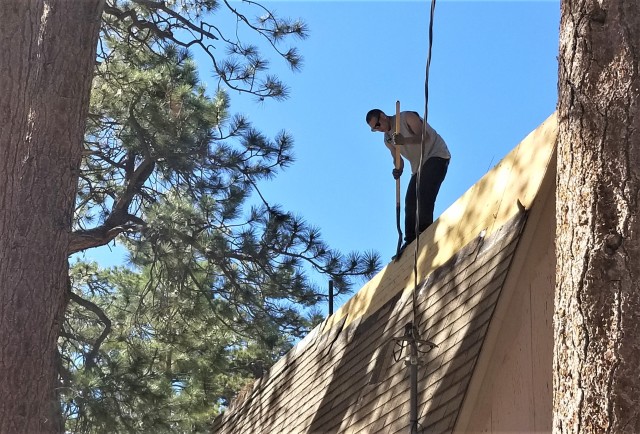
DIY Roof Maintenance Tips Every Homeowner Should Know
Let me be honest, for DIY Roof Maintenance Tips, most homeowners remember their roof only when something goes *really* wrong. And I’ve been guilty of that too. A couple of years ago, right after the first rain, I noticed a faint watermark creeping down my bedroom wall. At first, I convinced myself it was “just humidity.” Spoiler: it wasn’t. A tiny crack in one shingle, ignored for months, had quietly turned into a full-blown leak. Does that sound familiar?
Roof maintenance may not be glamorous, but it saves you from paying the price in repairs. Think of your roof like the skin of your home—protecting everything beneath it. When you ignore it, little issues grow into big enough problems to demand attention (and your money). Below, I’m breaking down the most practical, truly field-tested, DIY-friendly maintenance steps I’ve learned over the years—some from professionals, some from trial and error. And maybe one embarrassing slip from climbing the ladder wrong, but let’s not talk about that.
The Sneaky Truth: Roof Problems Start Small
You’d be surprised how many major leaks come from something as minor as a lifted shingle or a clogged gutter. According to Wikipedia, roofs have been engineered for thousands of years to shield buildings from the climate. But here’s my own take: even the best design falls apart if you don’t give the system a little attention now and then.
From conversations with local contractors in Pune and even a roofing team I met while visiting New Jersey, the most common line I hear is, “If they had called us six months earlier, repairs would’ve been one-third the cost.” So yes—DIY maintenance is worth your weekend.
Signs Your Roof Needs Immediate Attention
Before diving into the full checklist, here are a few warning signals that are usually hiding in plain sight:
- Shingles curling, cracking, or looking like dried potato chips.
- Granules piling up in gutters (a sign of aging asphalt shingles).
- Water stains on ceilings or near window frames.
- Moss or algae colonies form shady “neighborhoods” on the roof.
- Unusual drafts or temperature changes in the attic.
But, noticing these doesn’t mean you need to panic. It just means you need to start looking at your roof the way a mechanic looks at a car—diagnose before disaster.
Your DIY Roof Maintenance Game Plan
Instead of a boring checklist, let’s approach this like a system—a rhythm you can follow seasonally. I’ve broken it down based on what I personally do throughout the year, especially in locations where summers are scorching, and monsoons show no mercy.
1. Start With a Visual Inspection (No Tools Needed)
Walk around your home and give your roof a slow, curious glance from the ground. I like doing this with a cup of chai on Sunday mornings—less “maintenance chore” and more “detective ritual.”
Look for:
- Dark patches (often signs of moisture retention)
- Debris stuck in valleys
- Loose flashing near chimneys or skylights
- Sagging rooflines
A sagging roof isn’t always structural failure. Sometimes it’s just heavy debris or trapped moisture—but still worth addressing immediately.
2. Clean Your Gutters Like Your Roof Depends on It (Because It Does)
Gutters are such an underrated part of roof health. Once, a contractor told me, “Half the leaks I fix start with a lazy gutter.” And he wasn’t exaggerating. Clogged gutters spill water backward onto shingles, causing rot.
Here’s what I do:
- Remove dry leaves and sludge at least twice a year.
- Flush with a hose to check for downspout clogs.
- Add a mesh guard if you have large trees nearby.
I also learned that if your home is near coconut or palm trees, the dried fronds can clog gutters faster than deciduous leaves. A small local detail but worth noting.
3. Trim Overhanging Branches
Branches scraping the roof are like nails scratching a car—annoying and damaging. In monsoon-prone areas, branches get heavy and can collapse onto the shingles. Even if they don’t break, the constant shade fosters moss.
Leave at least a 6–10 foot gap between trees and the roofline. But please, don’t over-trim and create awkward bald trees. (Yes, I once did that. My neighbor still jokes about it.)
4. Remove Moss and Algae (Safely)
A little greenery looks charming on old cottages in Himachal, but on a modern roof? Not so cute. Moss absorbs moisture like a sponge, keeping shingles damp.
DIY method:
- Use a soft brush—never a pressure washer.
- Mix 50% water and 50% white vinegar for a safe, non-toxic cleanser.
- Brush gently downward to avoid lifting shingles.
Some roofers recommend zinc or copper strips near the ridge. Rainwater naturally carries ions downhill, preventing algae formation. I didn’t believe it until I saw it on a neighbor’s home—it works surprisingly well.
5. Inspect Flashings and Sealants
Flashing is like the unsung hero of your roof—the thin metal barrier around chimneys, vents, and skylights. When flashing rusts or lifts even slightly, leaks sneak in.
- Look for gaps or cracks.
- Check for decaying caulk.
- Replace old sealant with a high-quality exterior-grade sealant.
Tip: Aluminum flashing lasts longer than galvanized steel in coastal areas because salt exposure accelerates corrosion.
6. Check the Attic Before the Roof
This part surprises many homeowners. Sometimes the easiest way to detect roof issues is by looking *under* the roof.
In your attic, look for:
- Sunlight sneaking through nail holes.
- Damp insulation.
- Musty smells (the early sign of mold).
- Ventilation issues—your attic shouldn’t feel like a sauna.
A well-ventilated attic reduces heat buildup, which prolongs shingle life. In summer, poor ventilation can raise attic temperatures above 60°C (140°F)—basically slow-cooking your roof from the inside.
7. Keep an Eye on Sealants Around Solar Panels
If you’ve jumped onto the solar trend (good choice), remember that mounting brackets can become weak points. I’ve seen cases where installers drill too close to the ridge or don’t seal fasteners properly.
Every six months:
- Check for loose mounts.
- Inspect sealant around screws.
- Look for pooling water around panels.
Solar improves your energy bills, but only if your roof remains healthy enough to support the system.
8. Seasonal Maintenance: The Smart Rhythm
Instead of scrambling when storms hit, adopt a seasonal pattern:
Pre-Summer
- Clean gutters
- Trim branches
- Inspect flashing
Mid-Monsoon Check
- Check attic for leaks
- Look for pooling water on flat areas
Post-Monsoon
- Repair cracked shingles
- Clear moss growth
- Check for mold
Winter Prep
- Remove debris from roof valleys
- Inspect insulation levels
Breaking it down like this made roof care much more manageable for me—less overwhelming than doing everything at once.
Mini Case Study: A Simple Maintenance Task That Saved ₹35,000
A friend in Nagpur once ignored a tiny rust patch near his metal flashing. “It’s nothing,” he kept saying. But with the heavy rains last year, water slipped in, dripped slowly down his interior wall, and eventually damaged the wooden wardrobe behind it. One small patch turned into:
- ₹10,000 for mold treatment
- ₹12,000 for interior repainting
- ₹13,000 for flashing and roof repairs
His verdict? “I wish I had spent 20 minutes checking it earlier.” Nothing dramatic—just real life.
Roof Maintenance Safety: Don’t Skip This Part
I know, safety advice sounds boring. But climbing a roof without preparation is like walking on a banana peel—unpredictable.
- Use a sturdy ladder with rubber feet.
- Never climb when the roof is wet or during windy weather.
- Wear soft-rubber-soled shoes for grip.
- Keep one hand on the ladder at all times.
- If the slope is steep, don’t climb. Seriously.
I once slipped slightly on a dew-covered tile roof at 7 AM. Not a big fall—just enough to give me a heart-stopping moment. Lesson learned: sunlight dries surfaces; patience saves lives.
When DIY Isn’t Enough
Even the most confident homeowners encounter situations where DIY reaches its limit. For instance:
- Structural sagging or widespread rotting
- Major storm damage
- Compromised rafters
- Persistent leaks despite patching
These require a professional’s touch. And no, calling a roofer isn’t admitting defeat—it’s protecting your home.
Final Thoughts (And One Last Lesson Learned)
If there’s one thing I’ve learned after years of handling small roof fixes, it’s this: maintenance isn’t about perfection. It’s about consistency. A little care every few months can add years to your roof’s lifespan. And honestly, it feels good to understand your home the way a doctor understands a patient’s pulse.
So, grab a ladder, take a careful look, and start small. Your future self—standing dry and safe during the next heavy rain—will silently thank you.