
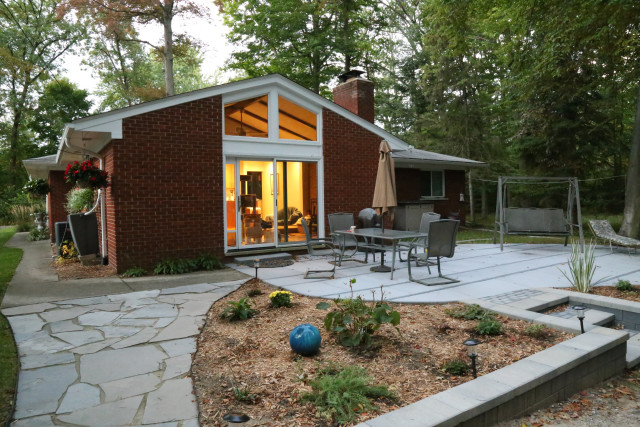
How Roofing and Siding Work Together to Improve Curb Appeal
If you’ve ever walked past a house and felt an immediate “wow,” chances are the roofing and Siding Work was doing more heavy lifting than people usually give them credit for. And honestly, after spending years around home renovation contractors in New Jersey, I’ve noticed something funny—homeowners often treat roofing and siding like distant cousins. But they’re more like siblings who bring out the best in each other when aligned properly.
Before we dive in, here’s a cool angle most folks miss: roofing and siding don’t just shield your home from weather. They shape how people *feel* when they look at it. And feelings translate directly into curb appeal and property value. Does that sound familiar?
The Hidden Partnership Between Roofing and Siding
Think of your roof as the “skin” of your home and your siding as its “wardrobe.” One protects; the other presents. But together? They create a unified statement. According to Wikipedia’s article on Building Envelopes, the exterior envelope plays a major role in structural protection and energy efficiency, but what that really means for homeowners is longevity and fewer headaches later.
Let me share a quick example: Last year, a homeowner in Toms River asked me why her freshly installed siding still left her home looking “kind of off.” One glance at her faded, patchy asphalt roof, and the problem was clear. Beautiful siding + tired roof = mismatched outfit. It’s like wearing a new blazer with worn-out sneakers.
Color Harmony Actually Matters More Than You Think
Most contractors talk about durability first—but color decisions quietly dictate whether your house looks modern, traditional, or just stuck in the early 2000s. And yes, homes *can* look “dated,” even if they’re structurally sound.
Color Psychology in Home Exteriors
Here’s where it gets interesting: warm roofing tones (like brown, terracotta, or deep red) pair better with earthy siding—think taupe, beige, warm greys. Meanwhile, cool roofs (black, slate, charcoal) elevate whites, blues, and modern greys. Does this feel like picking outfits? It kind of is.
But here’s the trick I learned after sitting through way too many homeowner decision battles: natural sunlight in your region changes how colors appear. In sunny coastal areas of NJ, siding can look brighter and lighter. Inland, cloudy days soften everything. That’s why I always tell clients to step back and look at samples *outside*. Not under Home Depot lights. Trust me on this one.
Material Pairing: The Secret Sauce of Curb Appeal
A roof can be made of asphalt shingles, metal panels, wood shakes—you name it. But not every material sings well with every siding type.
1. Asphalt Roofing + Vinyl Siding
A classic combo. Affordable, practical, flexible. But here’s the nuance: go with matte-finish siding instead of glossy. Glossy vinyl reflects too much light and clashes with the softer texture of asphalt.
2. Metal Roofing + Fiber Cement Siding
This pairing screams “modern farmhouse.” But in the Northeast, I see more homeowners leaning into charcoal metal roofs with wood-look cement siding. It adds rustic charm without the wood-rot headache.
3. Cedar Shake Roofing + Natural Wood Siding
Beautiful? Yes. High maintenance? Also yes. I once watched a homeowner in Morris County stain their siding twice in three years because the UV exposure was brutal. Still—if you want that New England cottage feel, nothing beats this combo.
Energy Efficiency: The Bonus Benefit Everyone Forgets
While curb appeal gets the glory, energy savings quietly pile up in the background. According to Wikipedia’s page on Insulated Siding, insulated siding can significantly reduce thermal bridging. When paired with a reflective or energy-efficient roof, homeowners can see reduced cooling costs—especially in states like New Jersey where summers hit hard.
I’ve personally seen homeowners lower energy bills by 8–12% after combining insulated siding with a cool-roof shingle. Not life-changing, but hey, savings are savings.
Texture, Shape, and Shadow Lines
Most people don’t notice this consciously, but textured roofing (like architectural shingles) creates depth that complements horizontal siding panels. Smooth roofs with smooth siding can make the house look flat or boxy. Shadow lines matter.
A Quick Trick Contractors Use
- Want your house to look taller? Choose vertical siding with a darker roof.
- Want it to look wider? Horizontal siding with a lighter roof does wonders.
- Want a more luxurious finish? Mix siding textures—shakes in the gables, panels on the walls.
But don’t overdo it. I once saw a home with three siding types and two roofing textures. It looked… confused.
Regional Trends: What’s Actually Popular in 2025?
Here’s where local insight kicks in. In New Jersey and neighboring states, I’ve noticed a few strong trends:
Trend 1: Charcoal + Light Grey
This has become the new “safe but stylish” combo. Clean, modern, timeless.
Trend 2: Black Metal Roofs + White Board-and-Batten
Still hot. But make sure your HOA allows metal—some don’t.
Trend 3: Brown Roofs Are Fading Out
Not gone yet, but slowly being replaced by modern neutrals.
Trend 4: Textured Siding
Everyone wants the “woodlook” without the wood maintenance.
Maintenance: The Realities Nobody Warns You About
But here’s the thing—beautiful exteriors only stay beautiful if you maintain them. A roof with algae streaks will make even the newest siding look tired. And vice versa.
Keep These in Mind:
- Clean gutters = longer roof life.
- Trim trees to prevent moss growth.
- Wash siding once a year (skip the pressure washer unless you know what you’re doing).
- Repaint or restain wood siding every 4–6 years.
Little things, big difference.
Final Thoughts (A Bit Less Polished on Purpose)
So here’s my honest take: roofing and siding are the unsung design duo of your home. Get them right and your curb appeal jumps instantly—like putting on the right pair of shoes for the outfit. And I know, exterior renovation can feel overwhelming. Too many options, too many colors, too many opinions from YouTube advice videos.
But step back and look at your house as a whole. Not roof vs. siding. Not color vs. material. The whole picture. That’s where the real magic happens.
And if you’ve ever replaced one without the other and felt like something still looked “off”… well, now you know why.