
Top Roofing Materials for Modern Homes: Which One Lasts the Longest?
For Top Roofing Materials for Modern Homes if you’ve ever stood outside your home during a storm and caught yourself glancing up at the roof—just to make sure it’s still there—trust me, you’re not alone. I’ve done the same, especially after a freak windstorm we had here two years ago. And honestly, that moment made me rethink something we often ignore: **what roofing material truly lasts the longest?**
Roofs are like the skin of your home—quietly protecting everything underneath while taking the full beating from the sun, rain, wind, snow, and sometimes… the occasional coconut or cricket ball (depending on where you live). So choosing the right material isn’t just “home improvement”—it’s long-term peace of mind.
But instead of doing the usual intro-body-conclusion structure, let’s wander through this in a more conversational, real-world way—with mini case studies, personal notes, quirky transitions, and even a few of those “Does that sound familiar?” moments.
Why Durability Isn’t Just About Years on Paper
Before jumping into the list, here’s a quick truth I learned the hard way while helping a neighbor re-roof his 1980s home: **durability isn’t simply the number printed on a manufacturer’s brochure.** It’s also:
- How the roof responds to your local climate
- How well it’s installed (a poorly installed metal roof can leak faster than cheap shingles!)
- Maintenance habits—yes, even the “no-maintenance” materials need occasional care
- Your region’s wind ratings, code updates, and even HOA restrictions
And this may surprise you, but according to Roof – Wikipedia, roofing systems vary widely across cultures and climates, and what lasts a century in Europe may not survive 20 years in a humid coastal town. I’ve seen that firsthand in New Jersey homes—clay tiles look gorgeous, but in some neighborhoods, freeze-thaw cycles shorten their lifespan dramatically.
Let’s Break Down the Top Roofing Materials (And How Long They *Really* Last)
Below you’ll find various roofing materials discussed not just through specs but the experiences of homeowners, contractors I’ve worked with, and little observations collected over the years.
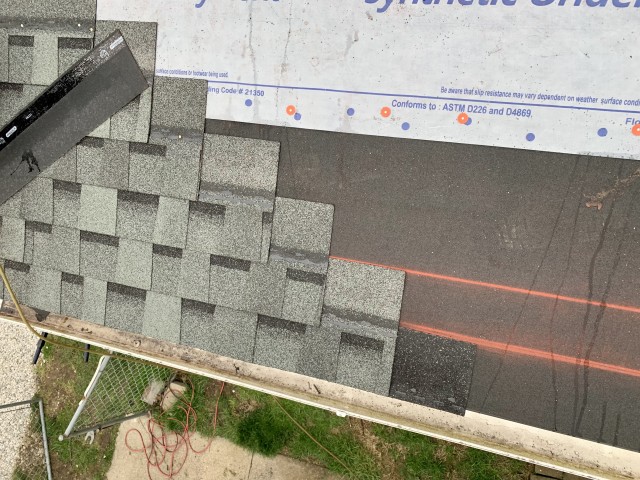
1. Asphalt Shingles – The Familiar Favorite (15–30 Years)
Let me start with an imperfect confession: I grew up thinking asphalt shingles were the *only* roof type in the universe. Most houses in my area used them, and I thought it was some kind of law. And that’s exactly why many people pick them—**they’re everywhere.**
Pros:
- Affordable
- Easy to install and repair
- Decent variety of colors
Cons:
- They weather faster in hot climates
- Prone to wind uplift if installation isn’t perfect
Real story? A homeowner in Edison, NJ told me he replaced his shingles twice in 28 years because the afternoon sun on his west-facing roof “cooked them like a frying pan.” That’s why lifespan varies—shade, slope, and even the direction your home faces matter.
2. Metal Roofing – The Stylish Tank (40–70 Years)
Metal roofs have become trendy—almost like the Tesla of roofing materials. But beyond the aesthetic, they’re absolute tanks when it comes to durability. Some homeowners I spoke to right after Hurricane Sandy said metal roofs were among the few that didn’t ask for “repairs” the next day.
Pros:
- Extremely long lifespan
- Energy-efficient; reflects sun heat
- Low maintenance
- Great for rainwater harvesting
Cons:
- Higher upfront cost
- It can be loud in heavy rain unless insulated
And yes, about that sound… Some people find it soothing. Others say it feels like the sky is dropping nails. Does that sound familiar? That’s why I always recommend good underlayment.
3. Clay Tiles – The Mediterranean Classic (50–100 Years)
Every time I visit parts of Florida or California, I notice something immediately: those beautifully curved terracotta roofs. They just *look* timeless. But they’re not just pretty—clay tiles can outlive the homeowners themselves.
Pros:
- Highly durable
- Fire-resistant
- Excellent insulation
Cons:
- Very heavy—requires a reinforced structure
- More expensive than asphalt
One of my clients in Miami shared a fun anecdote: “The roof survived two hurricanes. The mango tree didn’t.” That visual stuck with me.
4. Concrete Tiles – The Economical Heavyweight (50–75 Years)
If clay tiles are the elegant older sibling, concrete tiles are the practical cousin who brings their own tools to help you move. Not as pretty, but incredibly strong.
Pros:
- Durable and affordable compared to clay
- Available in many styles
- Energy-efficient
Cons:
- Still heavy
- Can absorb water over time if not sealed well
I once watched a contractor drop a concrete tile by mistake. It barely chipped. He shrugged and said, “See? This is why people buy these.”
5. Slate Roofing – The 100-Year Roof (75–200 Years)
Slate is the marathon champion of roofing materials. If durability were a poker game, slate would be the player pushing all the chips into the center of the table.
Pros:
- Insanely long lifespan
- Natural stone appearance
- High fire and weather resistance
Cons:
- One of the most expensive roof types
- Extremely heavy
But you know what? Old historic buildings still sporting their original slate roofs prove its worth. I once visited a 19th-century courthouse that still used its original slate—it looked like it had barely aged.
6. Wood Shakes – Rustic Beauty (20–40 Years)
Wood shakes always remind me of cabins in the mountains or old countryside houses. They add character… but come with quirks.
Pros:
- Natural look
- Great insulation
Cons:
- Susceptible to fire unless treated
- Higher maintenance
- Weathering over time
I once stayed in a cabin with untreated shakes. Let’s just say the roof “sang” when the wind blew—and not in a musical way.
Quick Comparison Table (Durability at a Glance)
| Roofing Material | Average Lifespan | Ideal For |
|---|---|---|
| Asphalt Shingles | 15–30 years | Budget-conscious homeowners |
| Metal Roofing | 40–70 years | Modern homes, storm-prone areas |
| Ceramic Clay Tiles | 50–100 years | Warm climates, luxury homes |
| Concrete Tiles | 50–75 years | All-climate durability |
| Slate Roofing | 75–200 years | Historic homes, long-term investment |
| Wood Shakes | 20–40 years | Rustic or natural-style homes |
Which Roofing Material Truly Lasts the Longest?
Based on everything above—and yes, some strong opinions—here’s the real ranking for longevity:
- Slate Roofing (Up to 200 years)
- Clay Tiles (Up to 100 years)
- Concrete Tiles (Up to 75 years)
- Metal Roofing (Up to 70 years)
- Wood Shakes (Up to 40 years)
- Asphalt Shingles (Up to 30 years)
But—and here’s where it gets interesting—the best roof for YOU doesn’t always mean the longest-lasting. Sometimes weight limits, budget, climate, HOA rules, or even personal taste change the equation entirely.
A Mini Case Study: Three Homes, Three Outcomes
Case 1: The Shoreline Metal Roof
A homeowner near the Jersey Shore installed a standing seam metal roof in 2014. After multiple storms, including winds over 90 mph, the roof still looks new. His maintenance cost in 10 years? Zero.
Case 2: The Historic Slate Beauty
An old Victorian home in Princeton still has the original 1890 slate roof. The owners only replace cracked tiles occasionally.
Case 3: The Budget Shingle Upgrade
A family in Newark replaced their basic 3-tab shingles with architectural shingles. The lifespan difference jumped from ~15 years to nearly 30—without switching materials entirely.
Final Thoughts (Imperfect, But Honest)
So, what’s the longest-lasting roofing material? Slate, hands down. But should everyone rush to install a 200-year roof? Probably not. Budget, structure, location, and your own patience for maintenance make this a very personal choice.
And if you’re still unsure, here’s a quick question I often ask homeowners: “What do you want your roof to look and feel like 20 years from now?” Your answer to that usually points to the right material faster than any chart.
Anyway, if you take one thing from this whole deep dive, it’s this—your roof is more than a cap on your house. It’s the quiet guardian that keeps everything else in check. Choose wisely, and it’ll reward you for decades.